
The Timeless Significance of Silver Samay Lamps: Illuminating Tradition, Prosperity, and Elegance
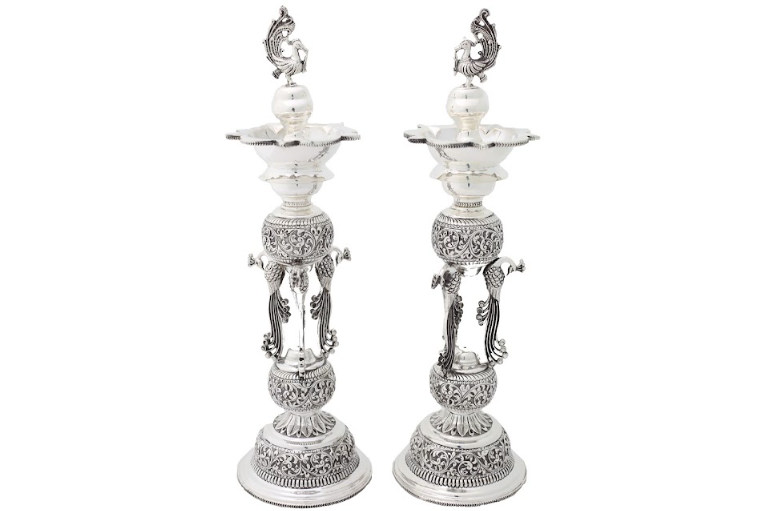
In Indian culture, light has always symbolized knowledge, positivity, purity, and divine blessings. Across homes, temples, and ceremonial spaces, the lighting of a traditional lamp marks the beginning of auspicious occasions and sacred rituals. Among the most revered forms of traditional lighting is the Silver Samay Lamp, a masterpiece that beautifully combines spirituality, craftsmanship, and luxury. The elegant pair of silver samay lamps featured above reflects centuries of artistic excellence and cultural heritage. With intricate carvings, majestic peacock motifs, and detailed craftsmanship, these lamps are not merely decorative articles but treasured symbols of devotion and prosperity. Today, silver samay lamps continue to be cherished in Indian households, religious institutions, luxury interiors, and gifting traditions. Their timeless appeal makes them one of the most sought-after silver articles for both spiritual and decorative purposes. Traditional silver lamps remain deeply connected to rituals, festivals, and home décor, symbolizing purity and auspiciousness. Understanding the Significance of the Samay Lamp The word “Samay” refers to a traditional standing oil lamp commonly used across India, particularly in religious ceremonies and cultural celebrations. These lamps are designed to hold oil and cotton wicks, producing a steady flame that symbolizes the triumph of light over darkness. For generations, lighting a samay lamp has represented: In many Indian households, the daily lighting of a lamp forms an essential part of morning and evening prayers. This practice continues to be observed because the lamp serves as a spiritual centerpiece that creates a serene and sacred atmosphere. Traditional silver lamps are especially valued for their association with purity and devotion. Why Silver is Considered Sacred? Silver has occupied a special place in Indian traditions for thousands of years. Unlike many other metals, silver is associated with purity, calmness, and divine energy. Historically, silver has been used for: Many families prefer silver articles for religious purposes because silver is believed to enhance the sanctity of rituals while adding elegance to sacred spaces. Silver pooja items, lamps, idols, and vessels continue to be among the most treasured possessions in Indian homes. A silver samay lamp therefore becomes more than an object—it transforms into a symbol of faith and prosperity. The Beauty of Traditional Peacock Samay Lamps One of the most captivating features of the lamp shown above is the peacock-inspired design. The peacock holds immense significance in Indian art and spirituality. It symbolizes: Traditional artisans often incorporate peacock motifs into silver craftsmanship because of their association with royalty and spirituality. The detailed peacock finials atop these samay lamps add grandeur while enhancing their symbolic value. Decorative peacock lamps are admired not only for their spiritual significance but also for their ability to elevate interior aesthetics through intricate craftsmanship and elegant design. A Masterpiece of Silver Craftsmanship Every handcrafted silver samay lamp represents countless hours of dedication and expertise. Creating such a piece involves: Detailed Engraving Artisans meticulously carve floral, geometric, and traditional motifs into the silver surface. Precision Metalwork Every component must be shaped and assembled with exceptional accuracy. Ornamental Design Decorative elements such as peacocks, lotus patterns, and temple-inspired carvings enhance visual appeal. Polishing and Finishing The final polishing process creates the radiant shine that distinguishes premium silver articles. The result is a stunning work of art that reflects India’s rich heritage of silver craftsmanship. Silver Samay Lamps in Religious Ceremonies Silver samay lamps play a central role in many religious practices. Daily Pooja Lighting a silver lamp during daily prayers is believed to invite positivity and blessings into the home. Festivals Major celebrations such as: often feature beautifully illuminated silver lamps. Temple Rituals Many temples utilize silver lamps because of their purity and auspicious significance. Religious Gatherings During bhajans, havans, and spiritual ceremonies, silver lamps create a sacred ambiance that enhances devotion. Traditional silver lamps remain an important component of worship practices because they symbolize spiritual enlightenment and divine grace. Enhancing Modern Home Décor While silver samay lamps are deeply rooted in spirituality, they have also become highly desirable decorative pieces. Interior designers increasingly use handcrafted silver articles to create luxurious and culturally inspired spaces. Living Rooms A pair of ornate silver lamps can serve as a striking focal point. Entrance Areas Positioning silver samay lamps near entryways creates an elegant first impression. Prayer Rooms Their traditional purpose naturally complements dedicated spiritual spaces. Luxury Interiors Silver décor introduces sophistication without overwhelming contemporary design schemes. The intricate details and reflective surface of silver add depth, brightness, and character to any environment. Why Silver Samay Lamps Make Meaningful Gifts Selecting a meaningful gift can often be challenging. Silver samay lamps offer a perfect balance of beauty, spirituality, and lasting value. They are ideal for: Housewarming Gifts A silver lamp symbolizes prosperity and positive beginnings. Wedding Gifts It represents blessings, abundance, and harmony for the newly married couple. Anniversary Gifts Its enduring nature reflects lasting relationships and cherished memories. Corporate Gifts Premium silver articles convey respect and appreciation. Festival Gifts During Diwali and other celebrations, silver lamps are among the most cherished gifts exchanged between families and friends. Traditional silver articles continue to be preferred gifting choices because they combine cultural significance with long-term value. The Investment Value of Silver Articles Beyond their aesthetic and spiritual significance, silver articles also hold intrinsic value. Many buyers choose silver decorative pieces because: Consumers increasingly seek BIS-hallmarked and authentic silver products to ensure quality, purity, and long-term value. Discussions among silver buyers frequently highlight the importance of purchasing from trusted jewellers and verifying authenticity. Caring for Your Silver Samay Lamps Proper care helps preserve the beauty of silver for decades. Regular Cleaning Use a soft cloth to remove dust and maintain shine. Safe Storage Store in anti-tarnish pouches when not in use. Avoid Harsh Chemicals Strong cleaning agents may damage intricate detailing. Periodic Polishing Gentle polishing restores brilliance and enhances appearance. Controlled Environment Keeping silver away from excessive moisture helps reduce tarnishing. With proper maintenance, a silver samay lamp can remain a treasured heirloom for generations. Passing Tradition Through Generations One of the most beautiful aspects