Uncategorized

classic clock

Timeless Elegance: The Classic Clock for Every Home

Time is an art with classic clock– a concept that encapsulates both utility and beauty. Whether you’re at home, in the office, or any other space where you spend your time, a good clock is more than just a time-keeping tool. It’s a piece of art, a reflection of your personality, and an element that brings a sense of harmony to your surroundings. The timeless elegance of a well-crafted clock, like the one showcased in this post, can elevate any space with its sophisticated charm and subtle class. The History Behind Clocks: From Function to Fashion Clocks have been around for centuries, evolving from mere mechanical tools to intricate pieces of decorative art. In the early days, clocks were designed solely for their function—marking time and regulating daily activities. From the towering clock towers of medieval Europe to the elaborate timepieces of the Renaissance, the clock was a symbol of both engineering marvel and an indicator of social status. However, as time passed, clocks began to serve not only as functional objects but also as a reflection of personal taste and style. They started to transition from purely utilitarian designs to something more artistic, more crafted, something that adorned the walls of the home. Today, clocks are no longer just functional; they are the centerpiece of interior design. Their craftsmanship, materials, and intricate details are expressions of a home’s character and charm. Why Choose a Classic Clock for Your Home? When it comes to home décor, every little piece matters. From furniture to accessories, it’s the small items that bring the room together. A well-designed clock, like the one in the image, serves not only as a timepiece but as a piece of artistic flair that speaks to your taste and personality. Here are some reasons why a classic clock might be the perfect addition to your home: The Design: Beauty Meets Precision The clock in the image is a perfect blend of simplicity and refinement. The sleek silver-rimmed design with Roman numerals takes us back to the days when timepieces were symbols of grace and poise. The smooth surface and delicate engravings along the rim of the clock exude sophistication, giving it a regal air that complements a wide range of interior styles. Its traditional Roman numerals add a touch of vintage charm, making it not just a tool to tell time but a statement piece in itself. The numerals, from I to XII, have long been a symbol of classical design, evoking a sense of nostalgia for a time when quality mattered most in every object we owned. Another notable aspect of the design is the simple, unadorned hands that move gracefully around the clock face. They are understated yet striking, ensuring that the clock functions as a timeless addition to any room without stealing the spotlight. Materials Matter: What Makes a Clock Truly Special A great clock is more than just the design. The materials used to craft it play a crucial role in determining its durability and visual appeal. The clock in the image is made from high-quality materials that not only ensure long-lasting performance but also contribute to its stunning appearance. Clock Placement: Finding the Perfect Spot The beauty of a classic clock lies in its versatility. You can place it in a variety of locations within your home to create a stunning focal point. Here are some ideas on where to display your clock: A Gift That Keeps on Giving Looking for the perfect gift for someone special? A classic clock is a thoughtful and meaningful gift that suits a variety of occasions, from weddings and anniversaries to housewarmings and birthdays. It’s a gift that combines utility with beauty, making it both practical and sentimental. Its timeless design ensures that it will be cherished for years to come, and every time the recipient checks the time, they will be reminded of the special moment when they received it. Care and Maintenance: Keep Your Clock Looking Great To ensure that your clock continues to shine and keeps accurate time for years to come, here are a few simple care tips: Conclusion: The Timeless Appeal of a Classic Clock A classic clock is much more than just a tool for telling time. It’s an investment in quality, elegance, and design. Its timeless appeal makes it a perfect fit for any home, office, or even as a thoughtful gift for loved ones. So, whether you’re looking to add a touch of sophistication to your living room, office, or hallway, or you’re searching for that perfect gift, this classic clock is sure to deliver. With its reliable timekeeping, intricate craftsmanship, and elegant design, it will stand the test of time, always reminding you that elegance and simplicity never go out of style.

Timeless Elegance: The Classic Clock for Every Home Read More »

Diya Lamps

The Timeless Beauty and Spiritual Significance of Peacock-Shaped Diya Lamps

When it comes to celebrating tradition and culture, few objects capture the essence of Indian heritage like the diya lamps – a small, humble lamp that has been a part of our rituals for centuries. Among the many artistic variations of diyas, the peacock-shaped diya stands out as a symbol of grace, beauty, and spiritual depth. This exquisite diya not only serves as a lighting source but also as an embodiment of culture and artistry, making it a treasured item in every home during festivals and pooja ceremonies. 1. The Symbolism Behind the Peacock The peacock is a revered symbol in Indian culture, often associated with beauty, wisdom, and divinity. In Hindu mythology, the peacock is connected to several deities, particularly Saraswati, the goddess of wisdom, and Kartikeya, the god of war. Its vibrant colors and majestic appearance make it a perfect representation of life’s divine energy. The peacock’s delicate yet strong nature serves as a reminder of the balance between inner beauty and outer strength. In the context of a diya, the peacock symbolizes the illumination of knowledge, the dispelling of darkness, and the celebration of beauty in every form. By placing a peacock-shaped diya in your home or pooja space, you are not just lighting a lamp but inviting the radiance of positivity, wisdom, and prosperity into your life. 2. Craftsmanship and Design A peacock-shaped diya is a true work of art. Made from various materials such as brass, silver, or even high-quality glass, each diya is intricately designed to mirror the majestic tail feathers and the graceful posture of the peacock. The craftsmanship of these diyas is unmatched, often featuring delicate engravings that bring out the fine details of the peacock’s feathers and the overall elegance of the bird. The traditional method of crafting these diyas requires great skill, as artisans carefully mold the metal or glass to form the shape of the peacock while ensuring that the diya remains functional. Whether the diya is designed to hold a single wick or several, its structure is meticulously created to provide optimal lighting while serving as a stunning decorative piece. The balance between aesthetic appeal and functionality makes these diyas a timeless choice for any occasion. 3. The Significance of Diyas in Indian Culture In India, the diya holds profound cultural and spiritual significance. Light, in its purest form, represents knowledge and the removal of ignorance. The simple act of lighting a diya during pooja or religious ceremonies symbolizes the triumph of light over darkness, good over evil, and knowledge over ignorance. Diyas are essential during major festivals such as Diwali, when homes are decorated with rows of lit diyas to symbolize the victory of Lord Rama over the demon king Ravana. The act of lighting these small lamps during Diwali signifies the welcoming of prosperity and the dispelling of negativity. Likewise, during the festival of Navratri, diyas are lit to honor the divine feminine energy and invoke blessings for a prosperous year ahead. The peacock-shaped diya adds a touch of grace to these celebrations, further elevating the spiritual experience. Its design not only enhances the ambiance but also serves as a reminder of the divine presence that resides in our lives. 4. The Versatility of Peacock-Shaped Diyas Peacock-shaped diyas are versatile items that can seamlessly fit into a variety of settings. Whether you place them on the altar during your pooja, use them as part of your home decor, or incorporate them into your festive celebrations, they are sure to make a statement. In homes, a peacock-shaped diya can be used as an accent piece, placed on tables, mantels, or even windowsills. The soft glow of the diya creates a serene and peaceful atmosphere, perfect for unwinding after a long day or creating a soothing environment during meditation. During festivals, these diyas are often placed in large numbers, forming a beautiful display of light and color. Whether you are celebrating Diwali, Karwa Chauth, or any other auspicious occasion, a peacock-shaped diya adds an element of elegance and spirituality to the festivities. Their unique design makes them stand out from the usual designs, leaving a lasting impression on guests and visitors. 5. Eco-Friendly and Sustainable Options As people become more conscious of their environmental impact, many artisans and manufacturers are moving toward creating eco-friendly diya options. Made from sustainable materials such as recycled brass, glass, or clay, these peacock-shaped diyas not only add a traditional touch to your home but also support ethical and sustainable practices. Choosing eco-friendly diyas helps reduce the carbon footprint, contributing to a more sustainable future while still preserving the cultural significance of lighting diyas during religious ceremonies. Furthermore, these sustainable diyas often come with reusable wicks, allowing you to enjoy the spiritual benefits of the lamp without generating waste. 6. Caring for Your Peacock-Shaped Diya To ensure that your peacock-shaped diya remains a cherished part of your collection for years to come, it is essential to care for it properly. If your diya is made of brass or metal, clean it regularly to remove dirt or soot buildup. Use a soft cloth to wipe it down and avoid abrasive materials that may scratch the surface. For glass or crystal diyas, use a gentle cleaning solution or mild soap with warm water to restore their shine. Always dry the diya thoroughly to avoid watermarks or residue. When storing your diya, keep it in a safe place where it won’t be damaged, preferably in a soft cloth or box. 7. Where to Place Your Peacock-Shaped Diya When it comes to placing your peacock-shaped diya, consider the energy flow in your home. In traditional Feng Shui and Vastu Shastra, the direction and placement of lighting are believed to influence the energy of the space. For example, placing a diya in the northeast corner of your home is considered auspicious, as it is believed to enhance the flow of positive energy. You can also place the diya near the entrance to welcome prosperity and abundance. It

The Timeless Beauty and Spiritual Significance of Peacock-Shaped Diya Lamps Read More »

silver car

An Icon in Silver: Where Vintage Elegance Meets Masterful Craftsmanship

There are objects that simply exist, and then there are objects that tell a story. They are not merely defined by their material or their function, but by the history they evoke, the artistry they display, and the emotions they inspire. These are the true icons of luxury—pieces that transcend decoration to become statements of taste, heritage, and unparalleled skill. They are conversation starters, focal points, and future heirlooms. In the world of fine artifacts, few objects capture this spirit as magnificently as a handcrafted vintage automobile sculpted from pure silver. It is a breathtaking fusion of two distinct worlds: the romantic, revolutionary spirit of early 20th-century automotive design, and the ancient, meticulous tradition of silversmithing. As custodians of tradition and craftsmanship, we believe that the value of such a piece lies not just in its silver content, but in the soul imbued by the artisan’s hand. This is not a model car; it is a sculpture in motion, a rolling testament to an era of elegance, rendered in a medium of timeless prestige. Join us as we explore the journey behind this silver icon, from the golden age of motoring to the master craftsman’s bench. A Journey Back in Time: The Allure of the Vintage Automobile To appreciate this artifact, we must first travel back to the era it represents—likely the 1920s and 1930s. This was a time of monumental change and boundless optimism. The automobile was no longer a noisy, unreliable novelty; it had blossomed into a symbol of freedom, status, and extraordinary design. This was the age of Art Deco influence, of sweeping lines, and of a belief that form was just as important as function. The design of our silver masterpiece evokes this golden age with remarkable fidelity: By choosing this specific form, the artist has tapped into a powerful cultural memory. The car itself is an icon of a bygone era, a piece of history that symbolizes progress, luxury, and a pioneering spirit. But to render this icon in silver is to elevate it to a whole new plane of existence. The Canvas of Purity: Why Silver? The choice of silver as the medium is deliberate and profound. While a wooden or cast-metal model might capture the car’s shape, only a precious metal like silver can capture its soul. Silver has been prized across cultures for millennia for its unique combination of beauty, purity, and prestige. The silver is not just a coating; it is the very substance of the artifact. It gives the piece a reassuring weight, a tangible sense of value, and a promise of permanence. A Masterclass in Craftsmanship: The Soul of the Piece Herein lies the true heart of this creation. The vintage design provides the inspiration, and the silver provides the canvas, but it is the hand of the master artisan that breathes life into it. This silver car is a rolling gallery of traditional metalworking techniques, a testament to skills passed down through generations. Let us examine the extraordinary level of detail: This level of craftsmanship is the bedrock of a true artisan’s legacy. A piece like this cannot be mass-produced. It is the culmination of hundreds of hours of focused, dedicated work by an artisan whose skills are a rare and precious inheritance. It represents a commitment to preserving an art form that stands in defiance of a world of instant gratification and mass production. The Ultimate Statement Piece: A Symbol of Discerning Taste Who is this magnificent silver icon for? It is for the individual who appreciates the convergence of history, engineering, and art. It is more than a decorative object; it is a powerful statement. A Legacy of Craftsmanship: In Motion The Silver Vintage Car is a perfect embodiment of the highest principles of artistry. It reflects a profound respect for history, an unwavering commitment to the purest materials, and a deep reverence for the human hand’s ability to create enduring beauty. The mission of a true artisan is to offer not just artifacts, but stories forged in precious metal. This car is one such story. It is the story of innovation from a bygone era, told through the language of masterful craftsmanship. We invite you to witness this extraordinary confluence of vintage elegance and artisanal mastery, and to own a piece of art that is, in every sense of the word, iconic.

An Icon in Silver: Where Vintage Elegance Meets Masterful Craftsmanship Read More »

Kalash Coin

A Token of Blessings: The Purity and Prosperity of the Shubh Labh Kalash Silver Coin

In the rich tapestry of Indian culture, certain traditions resonate with a timeless grace, weaving through generations as carriers of faith, hope, and prosperity. Among the most cherished of these are the rituals that mark new beginnings, celebrate divine blessings, and welcome good fortune into our homes and hearts. At the very center of these practices lies the exchange of meaningful tokens—objects that are not merely material possessions, but potent symbols of our deepest wishes and prayers. For centuries, precious metals have been the chosen medium for these sacred tokens. Gold, with its solar radiance, and silver, with its cool, lunar luminescence, have been revered not just for their earthly value but for their perceived spiritual purity. It is this profound connection between the material and the mystical that brings us to a singularly powerful artifact: the Shubh Labh Kalash Silver Coin. This is more than just a piece of silver. It is a confluence of ancient symbols, a tangible prayer for well-being, and a perfect embodiment of the values we hold dear. As custodians of trust and tradition in fine metal craftsmanship, we believe that understanding the depth of these symbols enriches the very act of giving and receiving. Join us as we delve into the sacred iconography of this remarkable coin and uncover the layers of meaning that make it a timeless token of blessings. The Enduring Purity of Silver: A Divine Canvas Before we interpret the symbols carved upon its surface, we must first appreciate the canvas itself: pure silver. Why has silver, for millennia, been the metal of choice for religious artifacts, from deity idols to ritualistic vessels and coins? A Connection to the Cosmos: In Vedic astrology and ancient traditions, silver is intrinsically linked to the Moon (Chandra). The Moon governs the mind, emotions, calmness, and fluidity. It represents coolness and tranquility, a soothing balm to the fiery energies of life. To possess or offer an object of pure silver is to invite these lunar qualities—peace of mind, emotional stability, and a gentle, flowing prosperity—into one’s life. Inherent Purity and Protection: Silver is naturally antimicrobial and is historically considered a purifying element. This physical property mirrors its spiritual significance. In rituals, purity is paramount. An offering to the divine must be unblemished and true. Crafting a sacred symbol in 999 Fine Silver, which is 99.9% pure, ensures that the token is of the highest quality, a worthy conduit for divine energy. It is also believed to ward off negative energies and protect its owner, making it a shield of positivity. When you hold a Shubh Labh Kalash coin, you are holding a piece of this elemental purity. Its cool, reassuring weight is a reminder of its untainted nature, making it the perfect foundation for the powerful blessings it represents. Decoding the Sacred Symbols: A Deeper Look The true power of this coin lies in the masterful combination of three of the most auspicious symbols in Sanatana Dharma: the Kalash, the invocation of “Shubh Labh,” and the Swastika. 1. The Purna Kalash: The Vessel of Divine Abundance At the heart of the coin is the Purna Kalash, or “full vessel.” This is arguably one of the most foundational symbols of prosperity and auspiciousness in Hinduism. It is present at every significant life event, from birth ceremonies and weddings to housewarmings and daily pujas. But what does it truly represent? The Kalash is a microcosm of creation itself. When all these elements come together in the Purna Kalash, it becomes an object of immense power. It is a complete representation of life, abundance, and divinity. To have it minted in pure silver is to capture this profound symbolism in an eternal, incorruptible form. 2. Shubh Labh: The Invocation of Righteous Prosperity Flanking the Kalash on the coin are two powerful words: शुभ (Shubh) and लाभ (Labh). You see them written on the doorways of homes, at the entrance of shops, and on the first page of accounting ledgers. This is not a mere greeting; it is a sacred invocation. The Sons of Ganesha: Tradition beautifully personifies these concepts as the two sons of Lord Ganesha—Shubh and Labh. Lord Ganesha is Vighnaharta, the remover of obstacles. It is only when obstacles are removed that true, lasting prosperity can enter. Shubh and Labh, therefore, represent the divine blessings that follow Ganesha’s grace. By invoking their names, one prays for a prosperity that is both abundant (Labh) and divinely auspicious (Shubh). Placing “Shubh Labh” on the coin is a direct prayer. It asks that the abundance overflowing from the Kalash manifests in our lives as gains that are not only profitable but are also righteous, ethical, and spiritually uplifting. 3. The Swastika: The Ancient Seal of Well-Being Embossed upon the body of the Kalash is the ancient and sacred Swastika. In an era of misunderstanding, it is crucial to reconnect with its true, profound meaning. The word “Swastika” is derived from Sanskrit: Su (good) + Asti (to be) + Ka (a suffix), literally meaning “that which is associated with well-being.” It is a symbol of good fortune, luck, and protection that has been used in Hinduism, Buddhism, and Jainism for thousands of years. Its four arms are often interpreted to represent: It is a symbol of the eternal, cyclical nature of the universe, rotating around a fixed, divine center. Placing the Swastika on the Kalash signifies that the very source of abundance is protected, blessed, and rooted in cosmic order and well-being. More Than an Investment: A Legacy of Blessings While a 999 Fine Silver coin is undoubtedly a sound investment, the Shubh Labh Kalash coin transcends its material value. It is an investment in goodwill, a transfer of blessings from one person to another, and a powerful tool for manifesting positive intentions. Consider the perfect occasions for gifting this sacred token: By gifting this coin, you are not just giving silver; you are offering a carefully articulated prayer. You are wishing someone a life as whole and nourishing

A Token of Blessings: The Purity and Prosperity of the Shubh Labh Kalash Silver Coin Read More »

kalash

The Sacred Splendor of a Decorated Kalash: A Timeless Symbol in Indian Spiritual Tradition

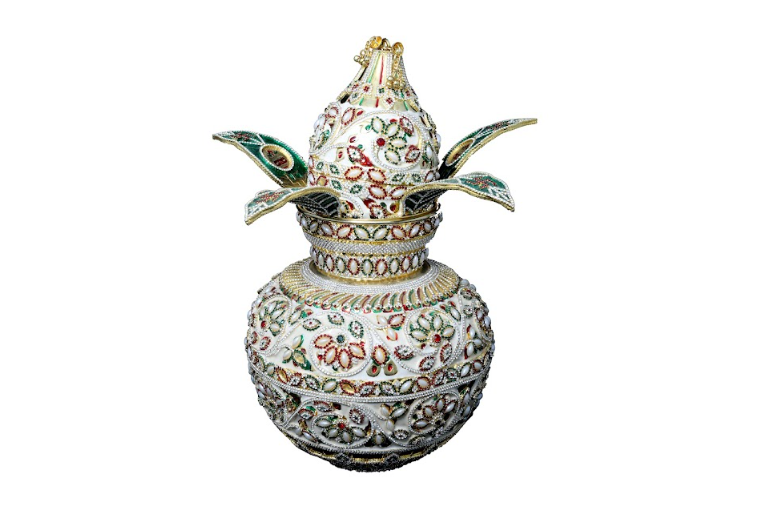
In Indian culture, where spirituality permeates daily life, certain symbols and objects like kalash are not just ritualistic tools—they are sacred vessels of meaning, tradition, and beauty. One such revered object is the Kalash, a ceremonial pot that holds profound significance in Hindu rituals, especially during weddings, festivals, housewarming ceremonies, and poojas. The Kalash in the image above is a remarkable example of this spiritual heritage—an exquisitely adorned piece, studded with colored stones and delicate craftsmanship, transforming a sacred item into a work of art. Beyond its visual appeal, this Kalash is a powerful representation of purity, prosperity, and divine presence. Understanding the Significance of the Kalash The Kalash, traditionally made from metal—such as copper, silver, or brass—is a water-filled pot topped with mango leaves and a coconut. It is often invoked at the beginning of a religious ritual or celebration and placed in a sanctified corner, marking the presence of the divine. In Vedic tradition, the Kalash symbolizes the source of life. The pot itself represents Mother Earth, the water within signifies the elixir of life, the coconut atop denotes fertility and prosperity, and the five mango leaves represent the five elements—earth, water, fire, air, and space. When sanctified during rituals, the Kalash becomes an abode of divine energy, often invoking deities like Lakshmi, Durga, or Ganga. The Marriage Kalash: A Sacred Union of Symbolism and Art The Kalash depicted in the image is no ordinary ritual vessel. Known commonly as a “Marriage Kalash” or “Shubh Kalash,” it is especially designed for weddings and major auspicious occasions. The intricate work in this particular piece—embellished with colorful stones, floral motifs, and elegant curves—shows how religious symbols can also serve as heirloom artifacts, merging the sacred with the spectacular. Such a Kalash plays a central role in traditional Hindu wedding ceremonies. Placed at the mandap or entrance, it is believed to invite blessings from the divine for a prosperous, harmonious union. Its placement is also said to ward off negative energies and purify the surrounding space. Ritual Use Across Ceremonies The Kalash is indispensable across a wide spectrum of Hindu rituals. Here’s how it’s used in different settings: Craftsmanship that Celebrates Devotion The beauty of the Kalash shown above lies in its meticulous craftsmanship. It is embellished with meena work and semi-precious stones, creating an ornate finish that reflects the grandeur of Indian decorative arts. Each curve and motif is likely hand-crafted, with attention to detail that speaks to the artisan’s reverence for the spiritual purpose of the object. This fusion of art and devotion not only elevates the aesthetic of the pooja setup but also transforms the sacred vessel into a symbol of cultural richness and refinement. Such decorative Kalash pots are often preserved and passed down as family heirlooms, carrying forward the legacy of rituals and blessings across generations. Cultural Variations and Symbolic Meanings The form and use of the Kalash may differ slightly across regions in India, but the core meaning remains unchanged—welcoming divine energy and signifying abundance. In South India, for example, the Kalash (called Kumbham) is often used in temple rituals and during Kumbhabhishekam. In North India, the Kalash marks the beginning of any auspicious ceremony and is often decorated with swastik symbols or red sacred threads (kalawa). In Vastu Shastra, the Kalash is also believed to attract and store positive cosmic energy. Keeping a Kalash at home, especially one decorated and placed correctly, is thought to bring harmony and financial stability. Ideal for Gifting and Spiritual Gifting A beautifully decorated Kalash like the one pictured is not just a spiritual item—it’s a meaningful gift. In Indian society, where gifting spiritual objects is common during weddings, anniversaries, or housewarming parties, an artistic Kalash makes a thoughtful and auspicious present. It carries a message of well-being, wealth, and divine blessings, making it suitable for both personal and ceremonial gifting. It is also becoming a popular choice in spiritual gifting hampers, often combined with diya sets, incense holders, and miniature idols. Preservation and Care Tips Since such Kalash pieces are often made of silver, brass, or similar metals and adorned with enamel and stones, they require proper care: Blending Tradition with Contemporary Spirituality In today’s age, where modern life often moves at a frenetic pace, reconnecting with tradition can offer a sense of grounding and inner peace. Objects like the Kalash serve as tangible reminders of one’s roots, culture, and spiritual identity. A highly decorative Kalash not only fulfills religious functions but also adds artistic elegance to home decor. With increasing interest in traditional spiritual practices, many families are investing in high-quality, artistically crafted pooja essentials that reflect both devotion and style. This resurgence in the appreciation of handcrafted pooja items ensures that such art forms—and the cultural stories behind them—continue to thrive. Final Reflections The Kalash is more than a pooja essential—it is a symbol of life, prosperity, and sacred beginnings. Whether used in a wedding ceremony, a festival ritual, or as a decor piece in a spiritual setting, a beautifully adorned Kalash like the one above enhances both the ritual experience and the aesthetic atmosphere. With its rich history, deep symbolism, and timeless beauty, the Kalash remains a cherished artifact in Indian homes—a vessel that carries not just water, but centuries of culture, prayer, and blessings.

The Sacred Splendor of a Decorated Kalash: A Timeless Symbol in Indian Spiritual Tradition Read More »

Artistic Silver Coins

Celebrating Heritage & Elegance with Artistic Silver Coins: A Unique Gifting Solution

In a world where digital and modern tokens artistic silver coins have become commonplace, there’s a growing desire to return to more meaningful, tangible expressions of appreciation. Artistic Silver coins, especially those adorned with traditional Indian artwork, are increasingly being recognized as more than just monetary assets—they are timeless treasures, blending culture, craftsmanship, and elegance. Among these, colour-printed silver coins featuring historical and mythological imagery stand out as luxurious and thoughtful gifts for both personal celebrations and corporate milestones. A Glimpse into the Past with Every Coin The image above captures a visually striking silver coin that showcases a colorized scene from Indian mythology or folklore. Such coins are more than mere collectibles—they represent stories, values, and legacies that have been passed down for generations. Whether it’s an image of deities, royal courts, or folk traditions, these coins offer a glimpse into India’s vibrant past and cultural richness. Each coin is crafted with precision and care, often beginning with pure silver and undergoing a detailed minting process to ensure sharp, defined imagery. The color-printing technique used to bring these designs to life adds a layer of visual appeal, making the coin not just a piece of silver but a miniature canvas of Indian art. The Craftsmanship Behind the Coin Creating such exquisite coins is no ordinary feat. It involves combining traditional minting techniques with modern color-printing technology. The process begins with high-grade silver, often .999 purity, which is melted and molded into uniform blanks. These blanks are then struck using high-pressure dies engraved with intricate artwork. After minting, skilled artisans use special printing methods to apply vibrant colors, ensuring the final product retains both its metallic brilliance and its detailed visual storytelling. These coins are often sealed in protective capsules to maintain their shine and prevent wear, making them suitable for long-term storage, display, or gifting. Symbolism and Sentiment in Gifting In Indian tradition, gifting silver has always been considered auspicious. It is associated with wealth, prosperity, and good fortune. During festivals, weddings, anniversaries, or religious ceremonies, silver coins are given as a token of blessings and respect. What makes these artistic coins even more special is the cultural story they tell—making the gesture of giving them deeply symbolic and heartfelt. For instance, a coin like the one shown, which might depict a divine scene such as Radha and Krishna or a warrior goddess in a forest setting, resonates with spiritual significance. Such imagery elevates the gift from a material possession to a spiritual token—perfect for commemorating sacred events or extending blessings to loved ones. A Refined Choice for Corporate Gifting Beyond personal use, color-printed silver coins have become a distinguished choice for corporate gifting. In business environments, where gifts are a way to build relationships and express gratitude, offering a custom-minted silver coin sends a message of sophistication and thoughtfulness. Companies often seek premium, culturally relevant gifts that can represent their brand values. A silver coin adorned with Indian heritage art fits this requirement perfectly. It demonstrates respect for tradition while also standing out as a luxurious and elegant item. Whether it’s for Diwali, milestone achievements, retirements, or client appreciation, these coins add value and charm to any corporate gesture. Additionally, businesses can personalize the coins with logos or messages on the reverse side, creating a customized token that reflects their identity while honoring the recipient. Festival Gifting and the Rise in Demand Festive seasons, especially Diwali and Dhanteras, mark a peak in the demand for silver coins. Families and businesses alike turn to these tokens as traditional offerings of good luck and fortune. The growing preference for color-printed coins stems from their aesthetic appeal and cultural relevance. They are not only considered valuable due to their silver content but also because they carry emotional and spiritual value. This has led to an expansion in the designs and themes available—ranging from depictions of gods and goddesses to motifs inspired by Indian epics, regional folklore, and classical dance forms. Limited edition runs and collectible series are also gaining popularity, particularly among connoisseurs and collectors. Advantages Over Other Gifting Options Choosing a color-printed silver coin over conventional gifts like sweets, clothing, or gift cards has several advantages: An Heirloom in the Making What begins as a gift can often turn into a keepsake. Many families pass down commemorative silver coins through generations. These become symbols of legacy and continuity, holding both monetary and emotional value. With themes steeped in mythology and heritage, each coin tells a story worth preserving. Moreover, in times of uncertainty, silver acts as a secure investment. Its dual value—both aesthetic and economic—makes these coins practical assets while also serving as elegant mementos. Caring for Silver Coins To ensure the coin retains its beauty over the years, proper care is essential: Preserving these coins properly enhances their longevity and maintains their appeal for future generations. Final Thoughts Colour-printed silver coins, such as the one illustrated above, are much more than festive tokens. They are a perfect blend of tradition, art, and luxury. In a time when meaningful gifting is appreciated more than ever, these coins offer a way to connect with India’s rich heritage while making a lasting impression. Whether you’re celebrating a personal milestone, honoring a religious occasion, or looking to strengthen professional relationships, silver coins featuring cultural artwork offer an elegant and enduring choice. They embody respect, artistry, and value—qualities that make every gift truly unforgettable.

Celebrating Heritage & Elegance with Artistic Silver Coins: A Unique Gifting Solution Read More »

Pure silver

How to Identify Pure Silver: A Buyer’s Guide to Authenticity and Craftsmanship

Introduction Pure Silver has always played a vital role in the cultural and economic lives of people, particularly in countries like India. Be it for religious ceremonies, home decor, investment purposes, or personal adornment, silver continues to be a favored precious metal. However, the increasing demand for silver has led to a rise in counterfeit or low-purity products, often marketed deceptively as pure silver. For buyers, especially first-time purchasers, navigating the nuances of silver grades, purity stamps, and craftsmanship can be overwhelming. This blog aims to provide a thorough understanding of how to identify pure silver, appreciate its craftsmanship, and make confident, informed purchases that offer both aesthetic and long-term value. 1. Understanding the Types of Silver (Detailed Overview) Knowing the different types of silver used in products is the first step toward identifying genuine pieces: a) Fine Silver (99.9% purity) b) Sterling Silver (92.5% purity) c) Coin Silver (Typically 90% purity) d) Britannia Silver (95.8% purity) e) German Silver or Nickel Silver (0% silver) 2. Hallmarking: Your Most Reliable Indicator Hallmarking is the certification of the metal’s purity by a recognized authority. Always look for hallmark stamps before purchasing any silver item. a) What Is a Hallmark? b) Hallmarking in India: The BIS Standard c) International Hallmark Systems Hallmarking offers the strongest assurance of silver’s authenticity and value, and buyers should always prioritize hallmark-certified items. 3. Physical Tests You Can Perform at Home Several home tests can provide a good indication of whether a silver item is genuine: a) Magnet Test b) Ice Cube Test c) Sound or Ring Test d) Rub Test e) Smell Test f) Acid Test (with caution) 4. Evaluating Craftsmanship and Detailing In addition to purity, the value of a silver item also lies in its artistry and craftsmanship. a) Detailing b) Finish c) Artisan Marks d) Regional Styles Understanding these traditional techniques helps buyers appreciate the item beyond its weight. 5. Common Misconceptions Debunked Understanding the truth behind common silver myths can help avoid misleading purchases. a) Myth: Tarnishing = Fake Silver b) Myth: Heavier Items Are Always More Valuable c) Myth: Bright Shine Equals Real Silver d) Myth: All Silver Jewelry Is Sterling e) Myth: German Silver Contains Real Silver 6. Smart Tips for Confident Silver Purchases Armed with knowledge, follow these practical steps when buying silver: a) Buy from Reputable Sellers b) Insist on Hallmarked Products c) Understand the Pricing Structure d) Request Proper Invoicing e) Consider Use and Design Conclusion Silver is more than just a precious metal—it is a symbol of heritage, purity, and craftsmanship. But to fully appreciate its value, one must look beyond its shine. Understanding silver’s different types, knowing how to test authenticity, recognizing hallmarking standards, and appreciating workmanship are essential skills for any buyer. With counterfeit products on the rise, an informed purchase decision ensures not just value for money but also the emotional and cultural significance that silver holds. Whether you’re buying a silver coin for investment, jewelry for a loved one, or a pooja thali for your home, let your choice reflect authenticity, tradition, and timeless elegance. Make every silver purchase a confident and meaningful one—because true silver doesn’t just shine, it tells a story.

How to Identify Pure Silver: A Buyer’s Guide to Authenticity and Craftsmanship Read More »

indian gift

Timeless Traditions: Why Silver Remains the Heart of Indian Gifting Culture

Introduction In a land rich with rituals, heritage, and symbolism, Indian gifting is more than a gesture—it is a cultural expression of love, blessings, and goodwill. Across generations, India has cultivated a deeply rooted tradition of thoughtful gifting, especially during significant life events and festivals. Among the many treasured items exchanged, silver holds a place of reverence and timeless appeal. Silver is not just a precious metal in Indian tradition; it is a bearer of prosperity, purity, and protection. Whether in the form of a thali for a religious ceremony, a coin given to bless a new marriage, or a delicate anklet for a newborn, silver finds its way into every milestone of Indian life. As both a utility and a symbol, it bridges the spiritual and the celebratory, the practical and the emotional. This blog explores why silver continues to remain at the heart of Indian gifting culture—unchanged by trends, yet always relevant. 1. Historical Significance of Silver in Indian Culture The legacy of silver in India traces back thousands of years. Ancient texts and scriptures frequently reference the use of silver coins and utensils as symbols of wealth and social status. Kings and emperors of various dynasties stored their wealth in the form of silver bars and coins, often used to reward loyalty or fund religious constructions. During the Vedic era, silver utensils were associated with purity and were considered suitable for offerings to deities. Archaeological findings reveal that silver was not just currency—it was also integral to everyday life in elite and priestly households. In the Mughal period, intricately designed silverware was a mark of luxury and sophistication. Silver plates, bowls, and cutlery were used in royal courts, and artisans of the time crafted masterpieces for the nobility. Later, during British colonial rule, the tradition continued with the introduction of western motifs in silver craftsmanship, merging Indo-European design sensibilities. Today, even with the rise of other materials and digital gifting trends, silver remains embedded in Indian consciousness as a metal of history, luxury, and grace. 2. Religious and Spiritual Relevance Silver’s association with purity makes it a favored material for use in spiritual and religious settings. From the smallest diya to elaborate pooja thalis, silver objects are central to rituals across Indian faiths. It is believed that silver has cooling properties, making it auspicious and spiritually calming—an ideal medium for sacred purposes. Festivals like Diwali see a surge in silver gifting—silver coins bearing images of deities such as Lakshmi and Ganesha are popular as they symbolize wealth and new beginnings. During Raksha Bandhan, sisters often receive silver rakhis or coins as tokens of blessing. In Janmashtami, small silver cradles are used to hold idols of baby Krishna, reflecting a tender mix of devotion and tradition. Temples across India have their own storied use of silver—from the silver doors of sanctums to the intricately designed chariots used in processions. Silver idols and ornaments for deities are lovingly donated by devotees as acts of devotion and gratitude. Such sacred relevance keeps silver in the heart of every religious household, not merely as an accessory but as an essential part of their spiritual toolkit. 3. Gifting Silver: Occasions and Customs Silver is deeply woven into the social fabric of Indian celebrations. Whether it’s a birth, a wedding, a new home, or a festival, silver fits seamlessly into every occasion. Weddings, for example, are incomplete without the exchange of silver gifts. Families often gift silver kalash (vessels), dinner sets, and idols of deities to the bride and groom as symbols of prosperity and protection. Some communities even give silver toe rings (bichhiya) and anklets to the bride, marking marital status with a mix of elegance and spirituality. For newborns, gifting silver is a time-honored practice. Items like silver rattles, baby feeding spoons, and payals (anklets) are common. Not only are these considered safe and non-toxic due to silver’s antibacterial properties, but they also signify the best wishes of health and abundance for the child. Housewarming ceremonies are another occasion where silver takes center stage. Silver coconut, lamps, or pooja sets are given to bless the new home with prosperity and peace. During festivals, especially Akshaya Tritiya, it is considered extremely auspicious to buy or gift silver, as the act is believed to bring unending fortune. These customs have survived the test of time because silver continues to represent something eternal—something that connects generations through meaningful exchanges. 4. Modern Appeal of Silver Gifts While rooted in tradition, silver gifting has also evolved with the times. Contemporary designers and artisans are now merging classic craftsmanship with modern aesthetics, making silver more accessible and appealing to younger generations. Today’s consumers seek minimalistic and multifunctional items. As a result, silver gift options now include elegant pen holders, sleek jewelry boxes, wine goblets, customized bookmarks, and designer idols that fit into contemporary décor. These are not only suitable for traditional ceremonies but also ideal for corporate gifting and personal milestones. Customization has become a significant trend in silver gifting. From engraving names and initials on silver coins to creating family crests on silver trays, personalization adds emotional depth and exclusivity to gifts. Moreover, silver is increasingly being chosen as an eco-conscious option. Unlike plastic or synthetic gift items, silver is durable, recyclable, and sustainable. In a world shifting toward responsible consumerism, silver stands out as a noble and eco-friendly choice. Thus, silver gifts have not only retained their charm but have adapted beautifully to suit modern preferences. 5. Symbolism and Sentiment Behind Gifting Silver More than its monetary value, silver carries emotional and symbolic weight. When someone gifts silver, they are not merely offering a metal—they are expressing a wish for longevity, health, purity, and prosperity. Silver often becomes an heirloom, passed down through generations as a treasured legacy. A silver bowl gifted to a newborn may be used for his own child someday. An intricately carved silver lamp presented during a wedding may find its place on the family altar decades later. These objects

Timeless Traditions: Why Silver Remains the Heart of Indian Gifting Culture Read More »

Jewelry

Jewelry That Speaks: Designs with Meaning and Charm

Jewelry has always been more than an accessory; it’s a form of self-expression, a storyteller, and a piece of art. Every piece of jewelry tells a story—whether it’s a symbol of love, a cherished memory, or a cultural tradition. Designs with meaning and charm hold a special place in the hearts of wearers, as they offer more than beauty—they evoke emotions and share personal narratives. In this blog, we explore the art and essence of meaningful jewelry designs, their timeless appeal, and the stories they tell. The Power of Symbolism in Jewelry Symbolism has been deeply ingrained in jewelry design for centuries. From ancient times, people have used jewelry to communicate messages, mark milestones, and honour traditions. Each design, material, or gemstone can carry its own symbolic meaning. For instance: Personalization: Making Jewelry Uniquely Yours One of the most compelling aspects of meaningful jewelry is personalization. Whether it’s engraving initials, dates, or meaningful quotes, personal touches transform ordinary pieces into cherished treasures. Customization options, such as choosing specific gemstones or incorporating unique designs, allow individuals to create jewelry that reflects their own story. For example, a necklace engraved with a wedding date becomes a constant reminder of love and commitment. A bracelet with a child’s name celebrates the joys of parenthood. Personalization not only enhances the sentimental value of jewelry but also makes it one-of-a-kind, ensuring that it resonates deeply with the wearer. Cultural and Traditional Significance Jewelry often holds cultural and traditional significance, carrying stories of heritage and identity. Across the world, different communities use jewelry to convey their beliefs, social status, and customs. For instance: Gemstones with a Story Gemstones are not just pretty; they have a story to tell. Each gemstone carries a unique meaning and energy, adding another layer of charm to jewelry designs. Here are a few examples: Craftsmanship: The Soul of Meaningful Jewelry Behind every meaningful piece of jewelry is the craftsmanship that brings it to life. Skilled artisans spend hours, sometimes days, perfecting designs that capture the essence of an idea or emotion. Techniques such as filigree work, hand-engraving, and stone setting require precision and passion. This dedication to quality and artistry ensures that each piece is not just a fashion accessory but a wearable work of art. Handcrafted jewelry, in particular, holds a special charm. Unlike mass-produced items, handcrafted pieces are infused with the artisan’s creativity and expertise, making them truly unique. Whether it’s a delicate pendant or an intricate bracelet, craftsmanship adds authenticity and value to meaningful designs. The Emotional Connection Meaningful jewelry often becomes an emotional anchor, connecting the wearer to special memories, people, or moments. A locket containing a loved one’s photo, a ring passed down through generations, or a charm bracelet with tokens from travels—all these pieces hold immense sentimental value. They serve as reminders of happiness, love, and resilience, offering comfort and joy in everyday life. Moreover, meaningful jewelry can also be a source of inspiration. A necklace with a motivational quote, for instance, can act as a daily affirmation, reminding the wearer of their strength and determination. In this way, jewelry transcends aesthetics and becomes a source of emotional support and empowerment. Modern Interpretations of Meaningful Jewelry As fashion evolves, so does jewelry design. Today, contemporary designers are finding innovative ways to infuse meaning into their creations. Minimalist designs with subtle yet powerful messages are gaining popularity among modern wearers. For instance: The Gift of Meaningful Jewelry When it comes to gift-giving, meaningful jewelry is one of the most heartfelt options. A thoughtfully chosen piece can convey love, gratitude, or appreciation in a way that words cannot. Whether it’s a necklace for a mother, a bracelet for a best friend, or an engagement ring for a partner, meaningful jewelry has the power to create lasting memories. The act of giving jewelry also reflects care and consideration. It shows that the giver has put thought into selecting a piece that resonates with the recipient’s personality and values. This personal touch makes meaningful jewelry a timeless and cherished gift. Caring for Your Treasured Pieces To ensure that meaningful jewelry lasts a lifetime, it’s important to care for it properly. Here are some tips: With proper care, meaningful jewelry can retain its beauty and significance, becoming a cherished heirloom that’s passed down through generations. Conclusion Jewelry that speaks—designs imbued with meaning and charm—goes beyond mere adornment. It connects people to their emotions, stories, and identities, making it a powerful form of self-expression. Whether through symbolism, personalization, cultural significance, or emotional connection, meaningful jewelry resonates with wearers on a deeper level. It celebrates life’s moments, honours traditions, and reflects individuality, making it truly timeless. So, the next time you choose a piece of jewelry, look for one that speaks to you. Whether it’s a necklace with a heartfelt message, a bracelet symbolizing your journey, or a ring that reminds you of love, let your jewelry tell your story.

Jewelry That Speaks: Designs with Meaning and Charm Read More »

metal

Artistry in Metal: Exquisite Creations for Elegant Living

Metalworking has been a cornerstone of human craftsmanship for centuries, evolving from functional tools to exquisite works of art. Today, metal artisans continue to push creative boundaries, crafting unique pieces that blend tradition with modern aesthetics. From ornamental décor to intricate jewelry, metal artistry represents elegance, durability, and a timeless appeal. The Legacy of Metal Craftsmanship Metalworking dates back thousands of years, with civilizations such as the Egyptians, Greeks, and Romans mastering the art of shaping metals like gold, silver, bronze, and iron. These cultures produced stunning artifacts, ranging from intricate jewelry to grand architectural elements. Over time, techniques such as engraving, filigree, repoussé, and lost-wax casting further refined metal artistry, elevating it from simple utility to pure elegance. In modern times, metal artisans continue to honor these ancient techniques while embracing innovative methods such as laser cutting and 3D printing. The fusion of old-world craftsmanship with contemporary technology has paved the way for breathtaking metal creations that enhance modern living spaces. Exploring the World of Metal Artistry Metalwork finds its place in various aspects of life, from home décor to personal adornment. Below are some of the most popular forms of metal artistry: 1. Ornamental Metal Décor Metal sculptures and decorative pieces add a sophisticated touch to interiors and exteriors. Whether it’s an intricately designed wrought iron gate, a hand-hammered brass wall hanging, or a sleek aluminum centerpiece, metal décor elevates any space. Popular Metal Décor Items: Each piece tells a story, reflecting the artisan’s skill and creative vision while bringing an air of sophistication to homes and offices. 2. Statement Jewelry and Accessories Jewelry-making is one of the most exquisite forms of metal artistry. From delicate filigree designs to bold, sculptural pieces, handcrafted metal jewelry is a testament to craftsmanship and elegance. Popular Metal Jewelry Styles: In addition to jewelry, metal accessories such as belt buckles, hairpins, and cufflinks offer a refined, stylish edge to personal fashion. 3. Custom Metalwork for Architecture Architectural metalwork transforms buildings into artistic masterpieces. From elaborate wrought iron stair railings to intricately designed window grilles, metal elements infuse elegance into both classical and contemporary architecture. Key Architectural Metal Creations: These decorative elements merge durability with beauty, enhancing the overall aesthetic appeal of structures. 4. Functional Art: Metal Tableware and Utensils Metal craftsmanship extends beyond décor and jewelry into everyday essentials like tableware and utensils. Handcrafted metal dishes, trays, and cutlery elevate dining experiences with their timeless charm. Elegant Metal Tableware Options: Each piece, whether minimalistic or heavily ornamented, speaks of refinement and artistry. The Artisanal Touch: Why Handcrafted Metal Pieces Stand Out The uniqueness of handcrafted metal pieces lies in the artisan’s touch. Unlike mass-produced items, handcrafted metalwork carries the mark of its creator, ensuring that no two pieces are identical. This exclusivity adds to their charm and value. Reasons to Invest in Handcrafted Metal Artistry: ✔ Timeless Appeal: Handcrafted pieces never go out of style and can be passed down as heirlooms.✔ Superior Quality: Skilled artisans use high-quality metals and traditional techniques for long-lasting durability.✔ Personalized Designs: Customization options allow buyers to own one-of-a-kind creations.✔ Sustainable Choice: Many artisans use recycled metals, making their craft environmentally friendly. Modern Innovations in Metal Art While traditional techniques continue to be celebrated, modern innovations have introduced exciting new possibilities in metal artistry. Laser cutting, 3D printing, and advanced welding techniques have expanded the scope of metal design, allowing for even more intricate and precise craftsmanship. Innovations like smart metals, which change shape or color based on temperature or pressure, are also gaining popularity in jewelry and décor. These advancements blend science with art, making metal creations even more fascinating. Caring for Metal Art and Jewelry To maintain the luster and beauty of metal creations, proper care is essential. Here are some maintenance tips: 🔹 Avoid Moisture: Store metal items in dry areas to prevent tarnishing or rust.🔹 Use Gentle Cleaning Methods: Polish silver and brass with a soft cloth and mild cleaning agents.🔹 Prevent Scratches: Store jewelry in individual pouches and avoid contact with hard surfaces. Proper care ensures that your metal treasures remain stunning for generations to come. Final Thoughts Metal artistry is more than just craftsmanship; it’s a celebration of elegance, heritage, and creativity. Whether it’s a handcrafted piece of jewelry, a sculptural masterpiece, or a decorative home accent, metalwork has the power to transform everyday living into an experience of refined beauty. Investing in artisanal metal creations means embracing tradition while supporting the skilled hands that keep this timeless art alive. In a world of fast fashion and mass production, handcrafted metal artistry stands as a testament to true elegance and exquisite living.

Artistry in Metal: Exquisite Creations for Elegant Living Read More »